


The power of visual warnings 3
Visual warnings aren’t just graphics – they are life-saving signals. Discover how strategic design choices in color and shape.

Maintaining a safe environment requires more than just following standard rules. It demands proactive planning, clear communication, and tools that help prevent accidents before they happen.
As safety challenges continue to evolve, organizations need strategies that are not only effective but also adaptable and easy to implement.
At [Your Company Name], we understand the critical importance of workplace and public safety. That’s why we’ve developed comprehensive safety measures designed to reduce risks, protect lives, and ensure compliance with industry standards.
From hazard identification and emergency response planning to safety signage and employee training, our solutions empower teams to maintain a secure environment. Whether you’re setting up a new facility or improving existing safety protocols, our measures are built to support every stage of your safety journey.
Introduction to Safety Design Principles
Achieving true safety in any environment goes far beyond posting a few warning signs. It requires clear communication, strategic planning, and tools that keep people aware and protected. As hazards evolve and workplace standards become more rigorous, organizations need reliable, adaptable solutions that ensure safety and compliance.
At [Your Company Name], we specialize in creating safety systems that address these challenges. Our solutions are designed to simplify complex safety protocols, minimize risks, and enhance overall security for employees and visitors alike. Whether it’s improving signage visibility, implementing smart safety alerts, or designing effective warning systems, our measures are built to keep environments safer and more efficient. No matter the size or nature of your facility, our approach is tailored to support your long-term safety and compliance goals.
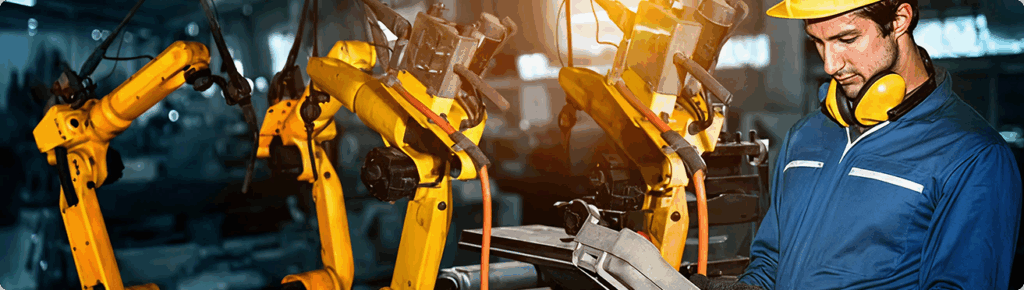
Why Visual Warnings Matters
Safety isn’t just a legal requirement—it’s a responsibility. A well-designed safety program not only prevents accidents but also fosters trust and confidence among employees, customers, and visitors. In today’s fast-paced industrial and commercial environments, implementing proactive safety measures is essential for reducing risks and ensuring compliance.
1. Clear and Effective Visual Warnings
Visual cues are one of the most powerful tools for preventing accidents. From hazard signs to instructional labels, every visual element should be designed with clarity and precision. Use high-contrast colors, universally understood symbols, and simple language to communicate critical information instantly.
2. Regular Risk Assessments
Hazards change as processes, equipment, and workspaces evolve. Conducting routine safety audits ensures that potential risks are identified and addressed before they lead to accidents. Make it a practice to review safety protocols quarterly or after any major operational change.
3. Proper Training and Awareness Programs
Even the most well-placed warning sign is ineffective if employees are not trained to recognize and act on it. Regular training sessions keep teams informed about best practices, emergency protocols, and equipment handling procedures. Combine classroom instruction with hands-on demonstrations for maximum impact.
4. Emergency Preparedness Plans
Every organization must have clear, actionable emergency response plans for scenarios such as fires, chemical spills, or equipment malfunctions. These plans should include evacuation routes, emergency contact numbers, and designated assembly points. Conduct drills regularly to ensure everyone knows their role in an emergency.