

Maintaining a safe environment requires more than just following standard rules. It demands proactive planning, clear communication, and tools that help prevent accidents before they happen.
As safety challenges continue to evolve, organizations need strategies that are not only effective but also adaptable and easy to implement.
At [Your Company Name], we understand the critical importance of workplace and public safety. That’s why we’ve developed comprehensive safety measures designed to reduce risks, protect lives, and ensure compliance with industry standards.
From hazard identification and emergency response planning to safety signage and employee training, our solutions empower teams to maintain a secure environment. Whether you’re setting up a new facility or improving existing safety protocols, our measures are built to support every stage of your safety journey.
What is CLP Regulations?
CLP stands for Classification, Labelling, and Packaging. It is a European Union regulation that requires companies to:
- Identify chemical hazards
- Classify substances based on their risks
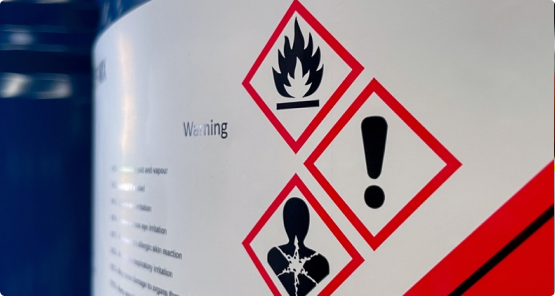
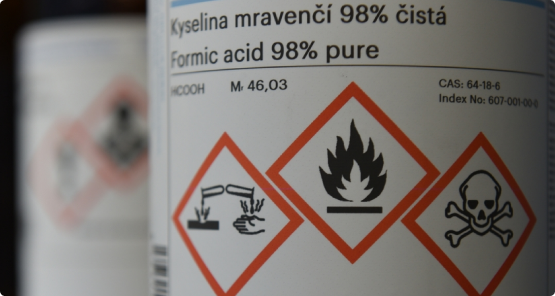
- Label them clearly using standardized symbols
- Package them safely
CLP Regulation stands for Classification, Labelling, and Packaging Regulation. It is a European Union law that ensures all chemical substances and mixtures are properly identified, clearly labeled, and safely packaged before they are placed on the market.
Its main purpose is to make chemical hazards easy to understand, so users can handle, store, and use them safely without risk to human health or the environment.
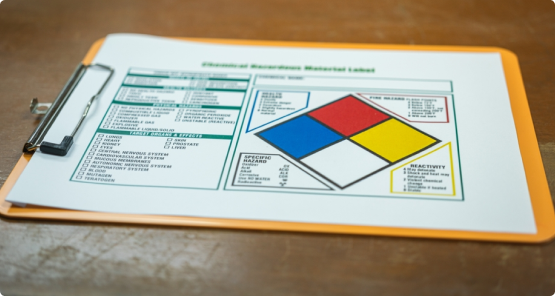
Under CLP, companies are required to classify chemicals based on their hazards, apply standardized labels with warning symbols and safety information, and ensure secure packaging that prevents leaks or misuse.
The regulation is based on the Globally Harmonized System (GHS), which means it follows internationally recognized standards for hazard communication.
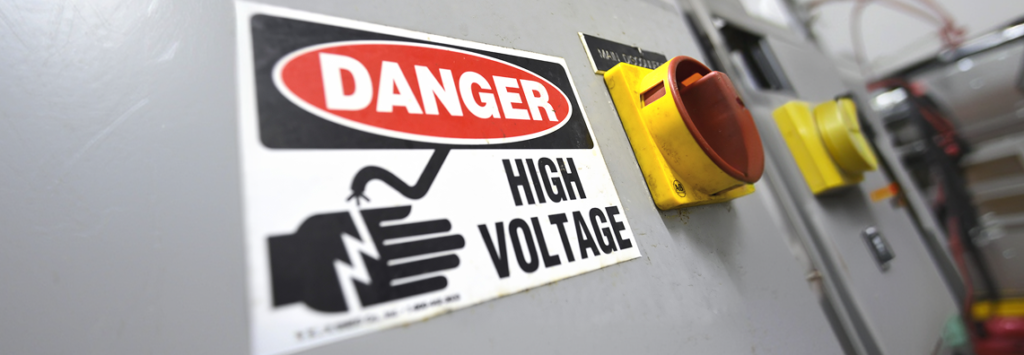
Why CLP Compliance Matters?
CLP compliance is essential because it ensures that chemical substances are handled, labeled, and communicated safely and consistently across the market. Without it, there would be confusion about chemical hazards, increasing the risk of accidents, health issues, and environmental damage.
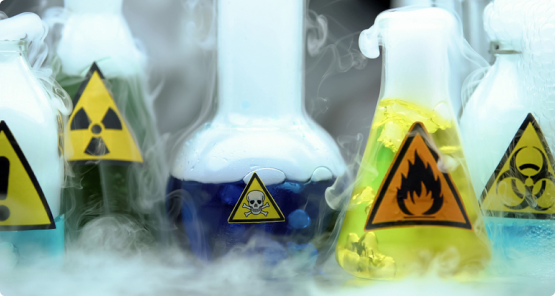
One of the main reasons CLP matters is protection of human health. Proper classification and labeling help workers and consumers understand the risks of a chemical—such as toxicity, flammability, or corrosiveness—so they can take the right precautions during use.
It also plays a key role in environmental safety, helping prevent harmful substances from being released or misused in ways that could damage ecosystems.
From a business perspective, CLP compliance is crucial for legal approval and market access in the European Union. Companies that fail to comply may face penalties, product recalls, or restrictions on selling their products.
Additionally, CLP creates a standardized global communication system (aligned with GHS), making it easier for companies to trade chemicals internationally without confusion.